

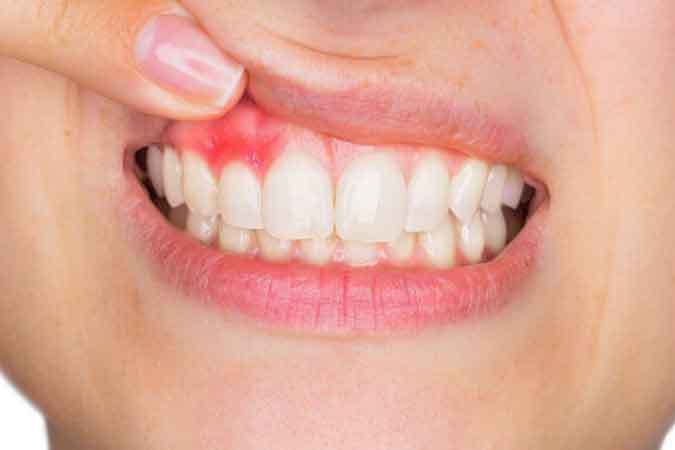
About 30% of patients who come to Eco Dental NY with “upper back tooth pain” actually have a sinus infection. Conversely, 5-10% of patients who come to ENT doctors with “sinus pressure” actually have an undiagnosed dental abscess. The two conditions share nerves and can mimic each other. Here’s how to tell the difference at home — and when to see which doctor.
Same-day evaluation: (718) 368-3368 Mon-Fri.
Why the Two Get Confused
The maxillary sinus (upper sinus cavity) sits directly above the roots of your upper molars and premolars. The roots of these teeth often extend INTO the sinus floor — a structure called the schneiderian membrane separates them. When the sinus is inflamed, that pressure transmits to the tooth roots, feeling exactly like a toothache. When a tooth is infected, that infection can travel up into the sinus.
Result: same area, similar pain, different causes, different treatments.
The 6 Self-Tests to Distinguish
Test 1: Multiple Teeth vs One Tooth
- Sinus origin: Pain in 2-3 adjacent upper teeth, all roughly equal
- Tooth origin: Pain isolated to ONE specific tooth, sharper
Test 2: Bending Forward
- Sinus origin: Pain WORSENS when bending forward, looking down, or pressing on cheekbones
- Tooth origin: Bending doesn’t change pain (or slightly increases it from blood flow)
Test 3: Other Sinus Symptoms
- Sinus origin: Nasal congestion, post-nasal drip, fatigue, low-grade fever, yellow/green discharge, recent cold, headache
- Tooth origin: No sinus symptoms — just the tooth pain
Test 4: Hot/Cold Sensitivity
- Sinus origin: Cold drinks don’t affect pain; pain doesn’t linger after stimulus
- Tooth origin: Sharp pain with cold, lingering 10+ seconds; or pain with heat that lingers (later stage — nerve dying)
Test 5: Bite Pressure
- Sinus origin: Biting on the tooth doesn’t reliably reproduce pain
- Tooth origin: Biting on the tooth (or tapping it with a finger) reproduces the pain exactly
Test 6: Recent Cold or Allergies
- Sinus origin: You had a cold, allergies, or sinus issues in the last 2-3 weeks
- Tooth origin: Pain developed independently, no recent respiratory illness
Diagnostic Summary Table
| Symptom | Sinus likely | Tooth likely |
|---|---|---|
| Multiple teeth ache | ✓ | — |
| Bending forward worsens | ✓ | — |
| Nasal symptoms present | ✓ | — |
| Tooth biting reproduces pain | — | ✓ |
| Lingering cold sensitivity | — | ✓ |
| Single isolated tooth | — | ✓ |
| Recent cold/allergy flare | ✓ | — |
| Visible swelling near tooth | — | ✓ |
If Sinus Origin — Treatment
Most likely viral sinusitis (80%) — self-limiting in 7-10 days. Treatment:
- Saline nasal rinses (Neti pot, NeilMed) 2-3 times daily
- Decongestants short-term (Sudafed, Mucinex D)
- Steam inhalation
- NSAIDs (ibuprofen) for pain
- Warm compress on cheek
See ENT or primary care if:
- Symptoms persist more than 10 days
- Fever above 101°F
- Discolored thick discharge for 4+ days
- Severe facial pain that doesn’t respond to OTC meds
- Symptoms improve then dramatically worsen (“double sickening” — bacterial overlay)
Bacterial sinusitis (20% of cases) needs antibiotic.
If Tooth Origin — Treatment
See dentist same-day or within 24-48 hours. Common findings:
- Cavity reaching nerve: filling + root canal + crown, $2,500-3,500 total
- Dental abscess: emergency drainage + antibiotic + root canal or extraction, $2,500-5,500
- Cracked tooth: crown to stabilize, $1,200-1,800
- Failed old filling/crown: replacement, $300-1,800
- Bruxism causing nerve irritation: night guard + possible filling adjustment, $350-500
Don’t wait. Untreated dental pain can develop into life-threatening infection.
When It’s Both (Hardest Case)
Sometimes a dental infection spreads into the sinus. You feel both — toothache AND sinus pressure simultaneously. Diagnostic workup:
- Dental exam + X-ray — identify tooth infection
- Possibly CBCT 3D scan — shows sinus and tooth relationship
- Treatment: usually dental root canal or extraction first, then sinus often resolves on its own
- Antibiotic coverage — same antibiotic (Amoxicillin) typically works for both
Why Going to the Wrong Doctor Costs You Time
If you go to ENT for what’s actually a tooth abscess:
- ENT prescribes antibiotic + decongestants
- Symptoms briefly improve from antibiotic
- Symptoms return 1-2 weeks later
- Now visit dentist 2-3 weeks late, abscess worse
If you go to dentist for what’s actually sinusitis:
- Dentist examines, finds no tooth pathology
- Refers you to ENT
- You’ve wasted a visit but caught the right cause
If unsure, see dentist first — they can rule out tooth cause AND refer to ENT if needed. Cost: same as a regular dental visit ($100-250 with insurance).
Eco Dental NY Diagnostic Approach
When you come in with “upper tooth pain” we systematically test:
- Cold test on each suspected tooth
- Percussion (gentle tapping)
- Bite test on cotton roll
- Periodontal probing
- Visual inspection for swelling, fistula, decay
- Periapical X-ray of affected area
- Sinus screening (palpation of maxillary sinus area, sniffing test)
Within 15-20 minutes we know if it’s tooth, sinus, or both. We tell you honestly and refer to ENT if dental cause is ruled out.
FAQ — Toothache vs Sinus Pain Brooklyn
Can a sinus infection make my teeth hurt?
Yes, commonly. Upper molars and premolars have roots near the sinus floor. Sinus inflammation creates pressure that feels like toothache, especially in 2-3 adjacent teeth simultaneously.
How long does sinus-related tooth pain last?
Resolves within 7-10 days as the sinus infection resolves. If pain persists longer or worsens, see dentist to rule out concurrent tooth issue.
Can a tooth infection cause sinus problems?
Yes. Maxillary molar abscesses can perforate into the sinus, causing odontogenic sinusitis. Symptoms: tooth pain + unilateral sinus pressure + foul taste/smell. Treatment: address the tooth (root canal or extraction).
Should I see dentist or ENT first?
Dentist first if: isolated tooth pain, biting on a tooth reproduces pain, no nasal symptoms, no recent cold. ENT if: multiple teeth ache, nasal congestion, bending worsens pain, recent cold.
Will antibiotics fix tooth pain from sinusitis?
Only if it’s bacterial sinusitis (20% of cases). Most sinusitis is viral and antibiotics don’t help. The pain resolves when sinus heals.
Can dental work cause sinus issues?
Rarely. Upper molar extraction or implant placement can create a small communication with the sinus (oroantral fistula). Usually self-heals; sometimes requires surgical closure.
{“@context”:”https://schema.org”,”@type”:”FAQPage”,”mainEntity”:[{“@type”:”Question”,”name”:”How do I tell if my pain is a toothache or sinus infection?”,”acceptedAnswer”:{“@type”:”Answer”,”text”:”Sinus origin: multiple adjacent teeth ache, bending forward worsens pain, nasal congestion or recent cold present. Tooth origin: single isolated tooth, biting on it reproduces pain, lingering cold sensitivity, possible visible swelling near tooth. See dentist first if unsure.”}},{“@type”:”Question”,”name”:”Can a sinus infection cause tooth pain?”,”acceptedAnswer”:{“@type”:”Answer”,”text”:”Yes commonly. The maxillary sinus sits directly above upper molar and premolar roots. Sinus inflammation creates pressure on tooth nerves, feeling exactly like a toothache. Resolves with sinus treatment within 7-10 days.”}}]}