

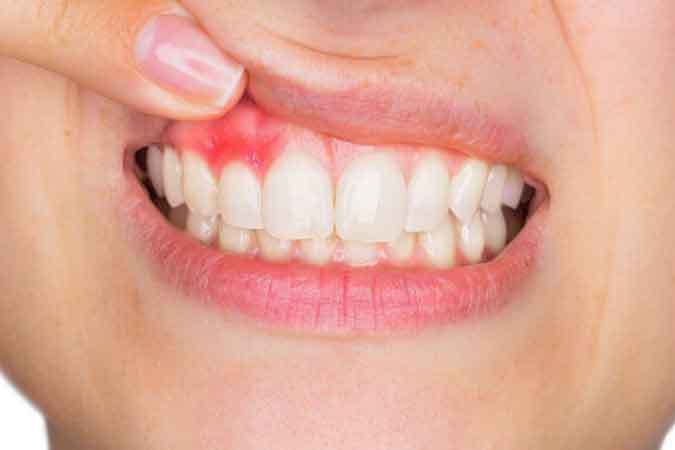
A cracked tooth often doesn’t show on an X-ray, doesn’t cause constant pain, and doesn’t look damaged to the eye. But if it’s missed, it can cost you the tooth. This 2026 Brooklyn guide explains how cracked teeth are actually diagnosed, the five types of cracks dentists distinguish (per the American Association of Endodontists), and the treatment each one requires.
What “cracked tooth” actually means
“Cracked tooth” is a clinical term, not a layperson description. In dentistry it refers to an incomplete longitudinal fracture of the tooth — a crack that has started but has not yet broken the tooth into two pieces. Some are harmless; others end the tooth’s life within months. The treatment ladder runs from a $300 bonding repair to a $5,000 implant, and the right rung depends almost entirely on a careful clinical exam — not on an X-ray.
At our Sheepshead Bay practice, the peak age range is 40 to 65. The reason is mechanical: by mid-life, most molars carry old fillings that have been expanding and contracting for two or three decades. Eventually the remaining tooth around the filling fatigues and a crack starts. That is the single most common cracked-tooth story we see at Eco Dental NY.
How to tell if you may have a cracked tooth (the 6 classic signs)
Cracked teeth produce a distinctive pain pattern. If you recognize three or more of these signs in the same tooth, schedule an exam — this is not a situation that improves on its own.
- Sharp pain only on biting, not constant. Unlike a cavity that aches throughout the day, a cracked tooth feels fine until pressure is applied. Soft yogurt — silent. Bread crust — sudden zing.
- Pain on release of the bite. This is the most diagnostic single sign of cracked tooth syndrome. The pain often arrives the instant you let off the pressure. That release-pain pattern points squarely at a crack and not at decay.
- Pain that comes and goes. A patient will tell us “it hurt three months ago, then stopped, and now it’s back.” Cracks expand and close microscopically with temperature and pressure, so symptoms wax and wane.
- Cold sensitivity that lingers longer than 30 seconds. Brief cold sensitivity is normal. Sensitivity hanging on for half a minute suggests the pulp is irritated.
- Difficulty pinpointing the exact tooth. Crack pain is referred — patients often misidentify the side of the mouth by a quadrant or two.
- Pain triggered only by certain foods. Hard, fibrous, or sticky foods: a fragment of bone, a popcorn hull, a crusty bagel. Liquids and soft foods cause nothing.
One thing to know: if your dentist mentions “craze lines” and you have no symptoms, don’t worry. Craze lines are surface-only enamel fractures that almost every adult develops — cosmetic at most, and not the cracked teeth this article is about.
The 5 types of cracked teeth (AAE classification)
The American Association of Endodontists — the specialty body responsible for diagnosing and treating tooth-pulp problems — classifies longitudinal tooth fractures into five named categories. Every general dentist and endodontist in the U.S. uses these terms. Knowing which category you have predicts treatment and prognosis better than any other single piece of information.
| Type | Depth | Typical symptoms | Treatment | Prognosis |
|---|---|---|---|---|
| Craze lines | Enamel only, superficial | None — cosmetic only | Usually none; bonding if cosmetic concern | Excellent |
| Fractured cusp | Through enamel and dentin around an existing filling | Sharp pain on biting, sometimes a visible piece breaks off | Onlay or full crown | Very good if treated promptly |
| Cracked tooth | Vertical crack from the chewing surface downward, may reach pulp | Classic biting + release pain, intermittent for months | Crown if pulp is healthy; root canal + crown if pulp involved | Good if caught before crack reaches the root |
| Split tooth | Crack has fully separated the tooth into two segments | Severe pain, mobility of one segment | Extraction + implant or bridge | Tooth not savable |
| Vertical root fracture | Crack starts at the root and travels upward | Often minimal pain; sometimes a deep, narrow gum pocket beside the tooth | Extraction; rarely endodontic surgery on multi-rooted teeth | Poor — tooth almost always lost |
Why this classification matters for you
A “fractured cusp” is structurally different from a “cracked tooth” even though the names sound similar. A fractured cusp is mostly mechanical — one piece broke off and the rest is fine. A cracked tooth is a propagating injury that may keep traveling deeper if left alone. The treatment ladder reflects that distinction.
How a cracked tooth is diagnosed (the 4-step exam)
A typical hairline crack tooth diagnosis depends on clinical tests, not imaging. Here is exactly what happens when a patient walks in saying “something on the upper right hurts when I chew.”
Step 1: Pain history
Before we touch anything, we ask the questions in the previous section. When did the pain start? Constant or only on biting? Cold or hot? Pain history alone identifies cracked tooth syndrome correctly about 70% of the time before a single test is performed.
Step 2: Tooth Slooth (bite-stick test)
The Tooth Slooth is a small plastic device with a cupped tip. We place it on each cusp one at a time and ask you to bite firmly, then release. If a crack runs through one specific cusp, biting on that cusp will reproduce your familiar pain — usually on release. The cusps around it test silent. That isolation tells us which side of which tooth has the crack.
Step 3: Transillumination
This is the test that finds cracks X-rays miss. A bright fiber-optic light is placed against the side of the tooth. Sound tooth structure transmits light evenly; a crack scatters and blocks the light, showing up as a dark line that stops abruptly at the fracture. Dr. Blazhkevich uses fiber-optic transillumination as part of every cracked-tooth workup, the same protocol she has used since 2018.
Step 4: Methylene blue dye (when needed)
If transillumination is suggestive but not definitive, we paint methylene blue dye on the suspect tooth. The dye seeps into any crack and stains it. We rinse the tooth and any retained blue line confirms a fracture. Especially useful for cracks running under existing fillings.
About X-rays: cracks are usually vertical, running parallel to the X-ray beam, so the beam passes through without producing the dark line we see for cavities. A cracked tooth with classic symptoms can show a completely clean X-ray. “The X-ray looks fine, but I still think you have a crack” is correct medicine.
Bitewings do catch some cracks indirectly — a widened periodontal ligament space at the root tip, or a deep filling near the pulp. A good diagnostic workup includes an X-ray as part of a thorough hygiene and exam appointment, but it never replaces the clinical tests above.
Why teeth crack (the 7 most common causes)
Cracks are mechanical failures of tooth structure. The seven causes we see most often:
- Old fillings expanding and contracting over decades. A 30-year-old amalgam has heated and cooled tens of thousands of times. The metal expands more than tooth does, the surrounding enamel fatigues, and a crack starts at the corner of the filling. The #1 cause of cracked teeth in adults over 40.
- Chewing hard foods. Ice cubes, unpopped popcorn kernels, hard candies, nuts in shells, frozen chocolate. We’ve seen cracks from biting into a single olive that still had a pit.
- Trauma. A blow to the jaw during sports, biting a fragment of bone in food, or a fall that slams the back teeth together.
- Bruxism (clenching and grinding). Chronic nighttime grinding applies forces well above normal chewing pressure. Over years, microcracks accumulate and one propagates. If you wake with sore jaw muscles or a tension headache, a custom night guard from our Brooklyn office is the single most effective preventive intervention.
- Misaligned bite distributing force unevenly. Overloaded teeth crack first.
- Sudden temperature swings. Very hot food followed by ice water creates rapid expansion and contraction. Healthy enamel handles this; enamel weakened by a large filling or by age may not.
- Age-related brittleness. Enamel becomes mildly more brittle past 60, partly because dentin loses elasticity. Cracks happen at lower forces in older patients.
If you also have jaw clicking, headaches, or facial muscle pain alongside a cracking tooth, the underlying issue may be a bite or joint problem — in which case evaluating for TMJ dysfunction is part of preventing the next crack.
Treatment options (by crack severity)
Treatment for a cracked tooth scales with how deep the crack runs and whether it has reached the pulp (the nerve-and-blood-vessel tissue inside the tooth). Here is the full ladder, with typical Brooklyn 2026 fee ranges at our practice.
| Treatment | When it’s used | Fee range (Brooklyn 2026) |
|---|---|---|
| Composite bonding | Shallow craze line, cosmetic concern only | $225 – $485 |
| Onlay or partial crown | Fractured cusp, pulp not involved | $895 – $1,395 |
| Full crown | Cracked tooth, pulp still healthy | $1,250 – $1,895 |
| Root canal + crown | Cracked tooth, pulp infected or irreversibly inflamed | $1,250 – $1,550 (RCT) + $1,250 – $1,895 (crown) |
| Extraction + implant + crown | Split tooth or vertical root fracture | $4,800 – $5,400 total |
| Extraction + bridge | Alternative when implant isn’t suitable | $3,200 – $4,500 |
Crown vs. onlay
For a fractured cusp with healthy pulp, an onlay covers only the damaged surfaces and preserves more natural tooth. For a full cracked tooth where the crack runs across the chewing surface, a full porcelain or zirconia crown is standard — it ties the tooth together with a rigid ring and prevents the crack from spreading. Bonding alone is not appropriate for a cracked tooth.
When a root canal is required
If the crack has reached the pulp, the pulp will become inflamed and eventually infected. Symptoms: pain lingering minutes after a cold drink, pain that wakes you at night, eventually a constant throb. At that point a crown alone won’t solve it — the inflamed pulp must be removed. Endodontic treatment (root canal) at our Sheepshead Bay practice takes one to two visits and is almost always followed by a crown.
When the tooth can’t be saved
Split teeth and vertical root fractures end the tooth’s life — the crack runs into the root, where no restoration can reinforce it. Options are a single-tooth dental implant placed in our office, a fixed bridge using neighboring teeth as anchors, or leaving the gap (rarely wise — adjacent teeth tilt in, the opposing tooth super-erupts).
What happens if you ignore a cracked tooth
Cracked teeth do not heal. Once a crack has started, it only goes deeper. The progression:
- Months 0–6: Crack in dentin only. Intermittent biting pain, often dismissed as “something I ate.”
- Months 6–12: Crack approaches the pulp. Pain becomes more frequent. Cold sensitivity lingers longer.
- Months 12–24: Crack reaches the pulp. Bacteria invade. Pain becomes constant rather than only on biting. Patients call us at 9 p.m. asking about same-day relief for severe tooth pain.
- Beyond: Crack extends below the gumline into the root. Extraction is the only option.
The cost cliff between these stages is enormous. A crown caught at month 4 might be $1,400. A root canal plus crown at month 14 might be $2,800. An implant after extraction at month 26 might be $5,200 — nearly four times the original cost. Cracked teeth are one of the cheapest dental problems to fix early and one of the most expensive to fix late.
4 case scenarios from our practice
The following are composite examples drawn from cases we’ve treated at Eco Dental NY. Names and ages have been changed; clinical details are representative.
James, 47 — cracked nut, cracked cusp
Chief complaint: “sharp pain on the upper right, only when I chew nuts.” The upper right second molar had a 30-year-old amalgam covering most of the chewing surface. Tooth Slooth isolated the lingual cusp; transillumination showed a fracture line from the edge of the amalgam to the cusp tip. Cold test normal — pulp healthy. Diagnosis: fractured cusp. Treatment: full crown, $1,395. One-year follow-up: excellent, no symptoms.
Olga, 58 — six months of intermittent pain
Olga told herself “it’s probably nothing” for half a year. In the past two weeks the pain had become sharper. Tooth Slooth and transillumination identified a crack running mesial-to-distal across a lower left first molar. Cold sensitivity lingered about 15 seconds. Diagnosis: cracked tooth with reversible pulpitis. Treatment: full crown only (no root canal yet), monitor over 6 months. Cost: $1,395. At recheck she was symptom-free.
Sergei, 62 — waited too long
Pain intermittent for over a year, then turned constant two weeks before his appointment. Waking up at night with throbbing on the upper left, unable to chew that side. Cold test produced a 60-second lingering pain. Diagnosis: cracked tooth with irreversible pulpitis. Treatment: root canal followed by a full porcelain crown, total $2,800. The most common “late diagnosis” we see — tooth still savable, bill double what it would have been six months earlier.
Marina, 41 — the split tooth
Severe pain; the lower right back tooth “feels loose.” Examination found the lower right second molar split into two mobile segments — the crack ran through the root. Not restorable. Treatment: atraumatic extraction with immediate implant placement and healing abutment, final crown three months later. Total: $5,400. Marina is eating normally on the implant.
Common mistakes that delay diagnosis
- “The pain went away, so I figured it was fine.” Cracked-tooth pain is intermittent by nature. Quiet weeks don’t mean it healed — only that it isn’t being loaded right now.
- “The X-ray was clean.” A clean X-ray rules out a cavity, not a crack.
- “I’ll just chew on the other side.” Reasonable short-term coping, but it doesn’t stop progression and often overloads the opposite side, where a second crack can develop.
- “I’ll wait until it really hurts.” Once it really hurts, the pulp is usually involved and you’re into root canal territory.
- “Why crown it if I might lose it anyway?” A crown on a cracked tooth often saves it for years or decades. Skipping it almost guarantees the tooth’s loss.
How to prevent cracked teeth
- Wear a night guard if you grind. Morning jaw soreness or a partner who hears grinding means you need one. A laboratory-fabricated night guard reduces fracture risk dramatically — not the boil-and-bite drugstore versions.
- Stop chewing ice, popcorn kernels, and hard candies. This single habit change prevents more cracked molars than anything else on this list.
- Replace old fillings before they fail. If you have amalgam fillings older than 10–15 years, ask whether proactive replacement could save the surrounding tooth.
- Address bite imbalance and TMJ symptoms. Uneven loading is a leading cause of cracks — treating the imbalance prevents future ones.
- Don’t skip checkups. Cracks are often caught at six-month exams before they cause symptoms.
When to come in immediately
Same-day call (not routine) if you have:
- Sharp pain on biting that started in the past 24–48 hours.
- A visible crack you can see in a mirror or feel with your tongue.
- Cold sensitivity that lingers for more than a minute after the cold is gone.
- Pain on release of the bite.
- A tooth that feels mobile or “different” under the tongue.
Call us. Same-day appointments Monday through Friday; for after-hours, our Brooklyn emergency dental protocol covers what to do until you can be seen. Russian-speaking patients can also see our companion article on причины и лечение чувствительных зубов for cold-sensitivity triage.
When to come to Eco Dental NY
Dr. Natalia Blazhkevich, DDS — a graduate of NYU College of Dentistry — personally performs every cracked-tooth workup at our Sheepshead Bay office using the four-step protocol above. We don’t rotate patients through associates. Our team speaks English, Russian, Polish, Ukrainian, and Uzbek, so you can describe symptoms in whichever language is most precise for you. According to the American Dental Association’s patient guidance on cracked teeth, prompt evaluation is the single most important factor in long-term outcome.
Frequently Asked Questions
Can you see a cracked tooth on an X-ray?
Usually no. Cracks typically run parallel to the X-ray beam, so the beam passes through without producing the contrast that shows up for cavities. A clean X-ray does not rule out a cracked tooth. Diagnosis depends on Tooth Slooth, transillumination, methylene blue dye, and a careful pain history.
Will a cracked tooth heal on its own?
No. Tooth structure does not regenerate. Once a crack starts, it can only stay the same or get worse. Symptoms may quiet down for weeks, but the crack will eventually progress if the tooth is loaded without a protective restoration.
How much does cracked tooth treatment cost in Brooklyn?
It depends on how deep the crack runs. Bonding for a shallow craze line runs $225–$485. A full crown for a cracked tooth with a healthy pulp runs $1,250–$1,895. Root canal plus crown for a cracked tooth with pulp involvement runs roughly $2,500–$3,450 combined. An extraction-and-implant for a split tooth runs $4,800–$5,400 total. Catching the crack early is the single biggest cost-saver.
Does insurance cover cracked tooth treatment?
Most PPO dental plans cover crowns, root canals, and extractions at 50–80% after the deductible, subject to your annual maximum (typically $1,500–$2,500). Bonding may or may not be covered depending on whether it’s classified as restorative or cosmetic. We accept 18 PPO plans plus 1199SEIU and CareCredit financing — ask us to verify your specific coverage before treatment.
Should I keep chewing on the other side?
Short-term, yes — avoiding pressure on the cracked tooth slows progression and gives you relief. But this is a stopgap, not a treatment. Long-term chewing exclusively on one side can overload that side and create a second cracked tooth. Get the original one evaluated within a week or two of noticing symptoms.
Is a cracked tooth a dental emergency?
It depends on the severity. A craze line is not an emergency. A fractured cusp with mild symptoms can usually wait a few days for a routine appointment. But severe pain, a visible mobile fragment, swelling of the gum, or pain that wakes you up at night are emergency-level signs and should be evaluated the same day. Call (718) 368-3368 if you’re unsure — we’ll triage by phone.
How long can a cracked tooth last untreated?
Anywhere from a few weeks to a few years, depending on the depth of the crack, your bite forces, and whether you grind at night. We’ve seen cracks progress to extraction within four months and others stay relatively stable for two years. The unpredictability is exactly why “wait and see” is a poor strategy — you can’t tell which version you have without protective treatment.
Can a chipped tooth become a cracked tooth?
Yes. A chip and a crack are different things — a chip is a small piece broken off the surface, while a crack is a propagating fracture line — but a chip often coincides with or seeds a crack underneath. If you’ve chipped a tooth and you’re having any biting pain or sensitivity afterward, get it evaluated. The chip is the visible part; the crack may be the bigger problem.
Book Your Visit to Eco Dental NY
Dr. Natalia Blazhkevich, DDS — sole provider, 5 languages spoken (English, Russian, Polish, Ukrainian, Uzbek). 2384 Ocean Avenue, STE 1, Brooklyn, NY 11229. Call (718) 368-3368 or request an appointment online. Mon–Fri 9 am – 7 pm.