

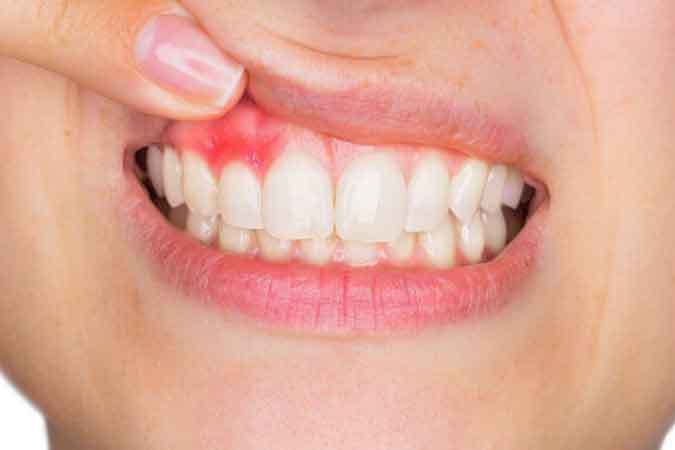
Extraction recovery follows a predictable timeline. The first 24 hours protect the blood clot, days 2-3 reduce swelling, days 4-7 see soft tissue closing over the socket, and days 7-14 see bone beginning to fill in underneath. This guide walks you through each phase with concrete day-by-day food lists, red flags, and the surprisingly small set of behaviors that account for most complications.
Why a day-by-day plan matters
Most patients do beautifully after an extraction. The few who run into trouble almost always do so because of a handful of preventable mistakes: drinking through a straw on day one, smoking on day two, rinsing too aggressively, or eating crusty bread before the gum has closed. Save this page on your phone — most patients revisit it three or four times during the two weeks after surgery.
If something feels wrong right now, do not wait. Call us at (718) 368-3368. Bleeding that will not stop, fever, expanding swelling, or pain getting worse after day 3 deserves a same-day visit — see also our emergency dental services in Brooklyn 11229.
Day 0 — The first 24 hours (critical: protect the clot)
The single most important goal in the first 24 hours is to form and protect the blood clot that fills the empty socket. That clot is the scaffold for everything that follows: new soft tissue, new bone, and ultimately the healed ridge you will eat on for the rest of your life. Disturb the clot and you risk dry socket, the most common — and most preventable — complication of any extraction.
What to do in the first 24 hours
- First 30 to 60 minutes: bite firmly on the gauze. Steady pressure stops bleeding — not constant biting and checking. Replace with a fresh fold every 30 to 45 minutes if saturated.
- Bleeding typically slows dramatically within two to four hours. Light pink saliva is normal for the first three or four days.
- Ice the outside of your face in 15-minute intervals — 15 on, 15 off — for the first 24 hours. This is the single best thing you can do for swelling.
- Take pain medication on schedule, not when pain spikes. Ibuprofen 600 mg every 6 hours plus acetaminophen 500 mg every 6 hours offset by 3 hours outperforms most opioids for dental pain in clinical research.
- Keep your head elevated when lying down — two pillows, or sleep in a recliner. Lying flat increases throbbing.
What absolutely not to do
- No rinsing, spitting, or sucking for the first 24 hours. Any of these creates negative pressure that can dislodge the clot.
- No straws. Drink from the cup, with a spoon, or by tilting — never with suction.
- No smoking. Smoking is the single biggest predictor of dry socket — see the section below.
- No alcohol for at least 48 hours, longer if you are on prescription pain medication.
- No driving if you are taking a prescription opioid or were sedated for the procedure.
- No vigorous exercise, heavy lifting, or hot showers. All raise blood pressure and increase the risk of re-bleeding.
What to eat on Day 0
After the first four hours, once the bleeding has settled, you can begin cool liquids and very soft foods. Think temperature-neutral and texture-free: yogurt, applesauce, lukewarm (not hot) broth, smoothies eaten with a spoon, mashed potatoes that have cooled, plain ice cream, cottage cheese, pudding. Avoid anything that requires chewing and anything hot enough to dissolve the clot.
Day 1 — The clot is fragile, swelling peaks
By the morning after surgery, the clot is in place but still soft and easily disturbed. Swelling typically peaks at 24 to 48 hours, so do not be alarmed if your cheek looks more swollen today than it did last night. That is expected and is not a sign of infection by itself.
- Continue cold compresses every 15 minutes through hour 24, then switch to a room-temperature compress after hour 36. Heat too early can worsen swelling.
- Most patients can transition from prescription pain medication to over-the-counter ibuprofen plus acetaminophen by the end of Day 1 or Day 2.
- Do not start salt-water rinses yet. Day 1 is too early — the clot is still fragile. Rinses begin on Day 2.
- Brush the rest of your teeth gently, but keep the toothbrush completely away from the extraction site today.
- Walking around the house is fine. No exercise that raises your heart rate.
- Sleep elevated again tonight.
What to eat on Day 1
Expand to lukewarm scrambled eggs, well-cooked oatmeal (cooled to lukewarm), mashed avocado, ricotta or cottage cheese, soft tofu, refried beans (no chunks), hummus with a spoon, and very soft pasta cooked past al dente. Still nothing hot, nothing crunchy, nothing chewy, and nothing that needs more than light tongue pressure to break down.
Day 2-3 — Salt rinses begin, swelling stabilizes
This is the window where the clot begins to organize and where you begin gentle cleaning. It is also the window when dry socket symptoms appear if they are going to.
Salt rinses — how to do them correctly
Mix one teaspoon of table salt in eight ounces of warm (not hot) water. Tilt your head, let the solution wash over the extraction site, and let it fall out into the sink. Do not swish forcefully and do not spit. Aim for four to six rinses a day, especially after eating. Salt water reduces bacterial load and gently flushes food particles without disturbing the clot.
What to expect
- Swelling usually peaks on Day 2 and starts reducing by Day 3.
- Bruising on the cheek or jawline may appear, especially with surgical extractions or lower wisdom teeth. It fades over 7 to 10 days and is harmless.
- Pain should be steadily improving. If it is getting worse between Day 3 and Day 5, call us — that is the classic dry socket pattern.
- A slight sore-throat sensation on the surgical side is normal. Trismus (jaw stiffness) is common after lower wisdom teeth.
What to eat on Day 2-3
You can add baked fish (tilapia, sole, salmon broken with a fork), soft pasta with smooth sauce, cooked tofu, smoothie bowls, refried beans, polenta, soft scrambled tofu, very soft well-cooked vegetables (zucchini, carrots cooked through), and lukewarm soups. Still avoid hard, crunchy, sticky, or chewy textures. No chips, no pretzels, no jerky, no nuts, no chewy bread crust, no gum, and absolutely no straws, smoking, or alcohol.
When brushing, you can now angle a soft toothbrush gently near the site, but keep the bristles pointed away from the socket. Do not brush directly into it.
Day 4-7 — Soft tissue closing in
By Day 4 most patients are dramatically better. Swelling resolves by Day 5 or 6, bruising fades from purple to yellow-green, and most people are off pain medication entirely. You may see pink granulation tissue beginning to cover the bone.
- Light exercise resumes — walking, easy cycling, gentle yoga. Avoid heavy weights and contact sports for a full week.
- Salt rinses continue, three times a day, especially after meals.
- Sutures often begin dissolving in this window. Some types last up to 14 days. Do not pick at them.
- Pain should be minimal — an occasional twinge when chewing on the other side is normal.
What to eat on Day 4-7
Now you can add ground beef or turkey, baked or shredded chicken (chewed on the opposite side), pancakes, waffles, well-cooked vegetables, soft fruit, oatmeal with toppings, soft sandwich bread (no hard crust), eggs prepared any way, and cheese. Still avoid anything that could lodge in the socket: popcorn, sesame seeds, poppy seeds, small nuts, chia seeds, and crunchy granola. Chips and pretzels stay off the list until the gum is fully closed.
Day 7-14 — Bone begins to remodel underneath
Between Day 7 and Day 14, the gum surface closes over the socket and bone formation accelerates underneath. You will not see the bone changes — they happen silently — but the area looks more and more like normal gum tissue. By Day 14, most patients are eating a normal diet and chewing lightly on the extraction side.
- By Day 7 to 10 the surface gum is largely healed; pink tissue covers the socket.
- By Day 10 to 14 most normal foods return. Test gently — if something hurts, back off for another day or two.
- Sutures should be gone by Day 14 for all suture types we use.
- Bone fill continues for 4 to 6 weeks beneath the gum.
- If you plan to replace the tooth with a dental implant at our Sheepshead Bay practice, we typically wait 8 to 12 weeks for bone consolidation before placement. A subset of patients qualify for immediate placement — we evaluate this at consultation.
For Russian-speaking patients planning implant therapy after extraction, we keep a detailed pre-op guide at имплантация зубов: что нужно знать (Brooklyn 2026).
Dry socket — the #1 complication and how to spot it
Dry socket — clinically called alveolar osteitis — is the single most common complication after extraction. It happens when the blood clot dislodges or fails to form properly, leaving bone exposed to air, food, and bacteria. It is not dangerous, but it is genuinely miserable until treated, and almost every case is preventable.
Who is at higher risk
- Smokers — smoking multiplies dry socket risk roughly fourfold. Even one cigarette in the first 72 hours can trigger it.
- Patients on oral contraceptives — estrogen affects clot formation. Schedule extractions during the off-week if possible.
- Lower wisdom tooth extractions — incidence is 5 to 10 percent, versus 1 to 2 percent for routine extractions.
- History of dry socket — if you had it before, you are more likely to have it again.
- Failure to follow post-op instructions — straws, spitting, vigorous rinsing.
What dry socket feels like
The pattern is unmistakable. Pain that was steadily improving suddenly gets sharply worse, usually between Day 3 and Day 5, and often radiates to the ear, jaw, and neck on the same side. You may notice a bad taste or an unpleasant odor that does not improve with rinsing. If you can see the site in a mirror, the socket looks empty — whitish bone where there should be a dark clot.
What to do
Call us. We hold same-day slots for situations like this. Treatment is immediate: we gently irrigate the socket and pack it with a medicated dressing that relieves pain within an hour or two. You may need one or two dressing changes over the following week. The American Association of Oral and Maxillofacial Surgeons publishes detailed extraction recovery and complication guidelines that align with what we do in office.
Complete by-day food reference
| Day | Safe to add | Still avoid |
|---|---|---|
| Day 0 (after hour 4) | Cool yogurt, applesauce, room-temp broth, smoothies (spoon only), plain ice cream, pudding, mashed potatoes cooled | Hot anything, straws, alcohol, carbonated drinks, anything chewy |
| Day 1 | + Lukewarm scrambled eggs, oatmeal (cool), mashed avocado, cottage cheese, soft tofu, hummus, refried beans | Same as Day 0; still no rinsing |
| Day 2-3 | + Soft pasta, baked fish, polenta, cooked tofu, smoothie bowls, well-cooked soft vegetables, lukewarm soup | Hard, crunchy, chewy, sticky, seeded; still no straws/smoking/alcohol |
| Day 4-7 | + Ground meat, baked chicken (chewed away from site), pancakes, waffles, soft fruit, eggs any style, cheese, soft bread | Popcorn, seeds, nuts, hard crusts, chips, gum, taffy |
| Day 7-14 | Gradual return to full diet; test gently and back off if uncomfortable | Continue avoiding small seeds and popcorn until 4-6 weeks |
Forever-no list during recovery: sesame seeds, poppy seeds, popcorn kernels, small nuts in shell, sticky candies, hard crusty bread, and chewing gum. Anything that can lodge in or pull on the socket is off the table until at least Week 4 to 6. The American Dental Association maintains a clear patient guide on post-extraction care and healing expectations.
When to call us — red flags vs. routine concerns
Call same-day — (718) 368-3368
- Bleeding that has not stopped after 4 hours of firm gauze pressure.
- Pain that is getting worse after Day 3 instead of better.
- Fever of 101°F or higher, or chills.
- Swelling that is expanding rather than improving, particularly around the eye, neck, or throat.
- Numbness lasting more than 12 hours after a surgical extraction.
- Foul taste, foul odor, or pus-like discharge from the socket.
- Inability to keep down fluids or medication.
- Severe pain unresponsive to medication — see our guide to severe tooth pain emergencies in Brooklyn.
Call next business day
- A suture fell out earlier than expected (often fine — we just want to know).
- The site looks different than you expected but is not painful.
- Mild numbness or tingling that is gradually improving.
- You are simply anxious and want reassurance. Use our online appointment request form or call during business hours.
Special considerations by case type
Wisdom tooth extraction
Lower wisdom teeth are the most demanding extractions in dentistry, and recovery reflects that. Expect more swelling and bruising than a routine extraction. Jaw stiffness (trismus) is normal for the first 7 to 14 days — gentle jaw-opening exercises starting Day 4 help. If your tooth was close to the inferior alveolar nerve, you may have temporary lip or chin numbness; this usually resolves over weeks to months. Recovery for surgical wisdom teeth is typically 7 to 14 days versus 4 to 7 for a simple extraction.
Multiple extractions or full-arch surgery
If you had several teeth removed in one visit — often before denture placement at our Brooklyn office — expect a 14 to 21 day recovery window. We usually place an immediate temporary denture or healing bridge to protect the sites. Pain management is more aggressive in the first 72 hours, and the soft diet may extend two to three weeks.
If you have diabetes
Well-controlled diabetes (HbA1c under 7) usually heals on a normal timeline. If your A1c is above 8, expect slower healing and a higher infection risk — strict hygiene and earlier follow-up matter more. Watch the site closely; call sooner rather than later if you notice expanding redness or warmth. Keep your blood sugar steady, because both hyperglycemia and hypoglycemia delay healing.
If you take blood thinners
In most cases (Eliquis, Xarelto, Plavix, low-dose aspirin) we do not stop blood thinners — the cardiovascular risk of stopping usually outweighs the bleeding risk, and we manage local hemostasis with sutures and a hemostatic agent. Continue your regular medication unless your physician and our office have told you otherwise. Light oozing for 24 to 36 hours is normal on these medications.
If you have anxiety about extractions
For patients who avoid extractions because of fear, we offer oral and IV sedation dentistry at our Sheepshead Bay office. Patients who put off extractions for years are often surprised by how brief and uneventful the surgery feels under sedation. Post-op recovery is identical to non-sedated extractions.
Cost, insurance, and what to do if you do not have coverage
Most insurance plans cover routine extractions at 70 to 80 percent and surgical extractions (including wisdom teeth) at 50 percent after deductible. If you are uninsured or your plan has run out for the year, see our no-insurance cash pricing guide for Brooklyn dental work in 2026 and our broader Brooklyn dental insurance guide for 2026. We also work with CareCredit financing for patients who need to spread payments over 6 to 24 months.
How we support you after extraction at Eco Dental NY
At our Sheepshead Bay practice, Dr. Natalia Blazhkevich personally calls every extraction patient the day after surgery — an actual phone call, not a text from a software system. If something is not going right between visits, you have a direct line during business hours, and we keep daily emergency slots reserved for our own post-op patients.
Frequently Asked Questions
When can I eat solid food after a tooth extraction?
You can begin adding soft solids on Day 2 or Day 3 (scrambled eggs, baked fish, soft pasta), more substantial soft foods on Day 4 to 7 (ground meat, well-cooked chicken, soft bread), and most normal foods by Day 10 to 14. The key is texture, not nutrition — go by how comfortable chewing feels, not by hunger. If something hurts, back off for another day.
How long does it take a tooth extraction to fully heal?
The gum surface heals in 7 to 14 days. Bone underneath continues remodeling for 4 to 6 weeks for soft tissue completeness, and 3 to 6 months for full bony fill. Most patients feel completely normal within two weeks. If you are planning an implant in the same spot, we usually wait 8 to 12 weeks for adequate bone consolidation before placement.
When can I drink coffee after tooth extraction?
Avoid hot coffee for the first 48 to 72 hours — heat can dissolve the clot and worsen bleeding. After 72 hours, lukewarm coffee is fine if you sip it from the cup (no straws for at least a week). Most patients return to fully hot coffee around Day 4 or 5 without issues.
When can I smoke after tooth extraction?
Clinically, we ask patients not to smoke for at least 72 hours, ideally a full week. Smoking is the single biggest risk factor for dry socket and multiplies your risk roughly fourfold. Vaping carries the same suction risk and similar chemical irritation. If you cannot abstain that long, nicotine patches or lozenges are dramatically safer for the socket than inhaled smoke or vapor.
When can I exercise after tooth extraction?
Light walking is fine starting Day 1. Avoid anything that raises your heart rate significantly — running, weight training, cycling intervals, hot yoga — for the first 72 hours, because elevated blood pressure can restart bleeding. Most patients return to moderate exercise on Day 4 or 5 and full intensity by Day 7. Contact sports and anything where you might get hit in the face should wait two weeks.
How long does pain last after tooth extraction?
Peak pain is usually in the first 24 to 48 hours and is well controlled by ibuprofen 600 mg plus acetaminophen 500 mg taken on schedule. By Day 3, most patients are on over-the-counter medication only. By Day 5 to 7, most need nothing. Pain that is increasing after Day 3 — rather than decreasing — is the classic dry socket pattern and warrants a call.
Can I drive home after tooth extraction?
If you had local anesthesia only and no sedation, you can drive yourself home. If you had nitrous oxide, oral sedation, or IV sedation, you must have someone drive you home and stay with you for the rest of the day — sedatives impair judgment and reflexes even after you feel “fine.” If you are taking a prescription opioid pain medication after surgery, do not drive while taking it.
When can I get an implant after extraction?
Standard timing is 8 to 12 weeks after extraction, which allows the bone to consolidate enough to support an implant. Some patients are candidates for immediate implant placement at the same visit as the extraction — typically front teeth with intact bone walls and no infection — but this is case-by-case. We evaluate implant timing at your consultation; learn more about our implant process and pricing at Eco Dental NY in Brooklyn 11229.
Book Your Visit to Eco Dental NY
Dr. Natalia Blazhkevich, DDS — sole provider, 5 languages spoken (English, Russian, Polish, Ukrainian, Uzbek). Same-day post-op support after every extraction since 2018, with direct phone access for our recovery patients. 2384 Ocean Avenue, STE 1, Brooklyn, NY 11229. Call (718) 368-3368 or request an appointment online. Mon–Fri 9 am – 7 pm.