

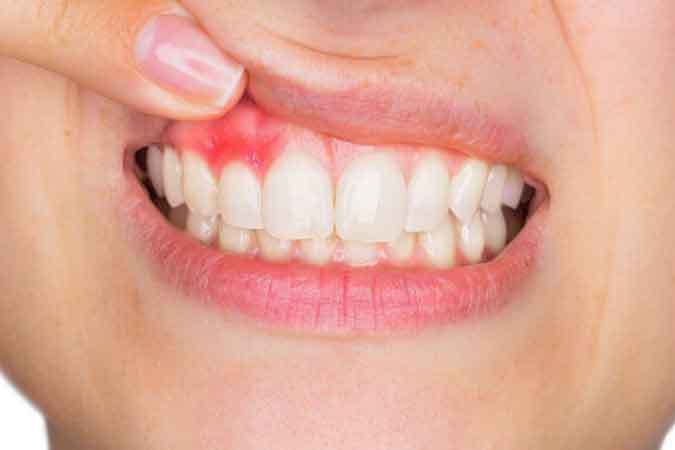
Modern dental implants have a 95-97% success rate, but 3-5% do fail. Most failures happen in the first 6 months. Knowing the warning signs lets you save the implant before it’s lost entirely. Here’s what to watch for and when to call Eco Dental NY.
The 5 Warning Signs Your Implant May Be Failing
1. Persistent or returning pain after week 2
Normal: mild soreness for 5-10 days post-surgery, resolving steadily.
Concerning: pain that returns after week 2, sharp pain when chewing, throbbing at the implant site, pain that radiates to ear or jaw.
What it means: possible inflammation around the implant (peri-implantitis), micro-movement during healing, or bone failing to integrate.
2. Implant mobility (any wiggle at all)
Normal: zero movement. A successfully integrated implant feels rock-solid.
Concerning: any visible or felt movement when you press on the crown or healing cap.
What it means: failed osseointegration (bone never bonded to the implant) or chronic infection eroding the bone around it. Mobility = highest-priority finding.
3. Bleeding or swelling around the implant after healing
Normal: minor bleeding for 1-3 days after surgery, swelling 3-7 days that subsides.
Concerning: bleeding when you brush around the implant after 2+ months, persistent swelling, pus discharge, foul taste.
What it means: peri-implant mucositis (early gum inflammation) or peri-implantitis (advanced bone-level infection).
4. Visible bone or gum recession around the implant
Normal: 0-0.5mm bone remodeling in the first year (expected).
Concerning: visible exposure of implant threads, deep pocket forming next to the implant (3mm+), gum line dropping over months.
What it means: progressive bone loss. If caught early, treatable with bone grafting and antibiotic therapy. If late, implant may need removal.
5. Loose crown or abutment (not the implant itself)
Normal: crown stays still and quiet.
Concerning: clicking sound when chewing, crown rotating slightly, or crown falling off entirely.
What it means: usually a loose abutment screw (the connector between implant and crown). NOT an implant failure — easy fix in 15-30 minutes. Don’t panic when this happens.
What’s Normal vs Failure — Quick Reference Table
| Symptom | Normal | Warning |
|---|---|---|
| Pain | Mild, days 1-10, resolving | Returns after week 2; throbbing |
| Swelling | Peak day 3, gone by day 10 | Persistent after 2 weeks |
| Bleeding | Minor, first 3 days | When brushing months later |
| Mobility | None ever | Any wiggle = emergency |
| Numbness | Resolves within 2-4 weeks | Permanent or worsens |
| Pus/foul taste | Never normal | Call immediately |
| Crown movement | Solid | Clicking or rotation |
Causes of Implant Failure (Why It Happens)
- Smoking — 2-3x higher failure rate, especially in the first 6 months.
- Uncontrolled diabetes (A1C above 8.0) — impaired healing.
- Active gum disease not treated before surgery — bacteria contaminate the surgical site.
- Inadequate bone at placement — bone graft not done when it should have been.
- Bisphosphonates (Fosamax, Boniva, IV bone meds) — interfere with bone remodeling.
- Heavy night grinding without a guard — micro-movement prevents integration.
- Poor oral hygiene after placement — bacteria around implant cause peri-implantitis.
- Inadequate primary stability at placement — surgical/technique issue.
- Allergic reaction to titanium — very rare (1 in 10,000); switch to zirconia implant.
Early Failure (Months 1-6) vs Late Failure (Years Later)
Early failure (weeks 1-26): Implant never integrates. Often presents with persistent pain, mobility, bleeding. Outcome: implant removed, area heals 2-3 months, can re-place (success rate 80%+).
Late failure (years 2+): Implant integrated but now losing bone (peri-implantitis). Often slower onset — gum bleeding, gradual recession, sometimes silent until significant bone loss. Outcome: can sometimes be saved with bone graft, antibiotics, and improved hygiene. If too far gone, removal and re-implantation.
What to Do If You Suspect Failure
- Don’t ignore. Early intervention saves the implant in 60-80% of cases.
- Call your placing dentist. If you can’t reach them, call us — we evaluate implants placed elsewhere.
- Bring records. Original X-ray, brand of implant, placement date. Helps us pick the right approach.
- Schedule a 3-D CBCT scan if not done in past 6 months. Shows the bone in detail.
- Antibiotic course while we investigate further (if signs of infection).
- Improved hygiene immediately — soft brush, water flosser, antimicrobial rinse like chlorhexidine 0.12% for 14 days.
Treatment Options When an Implant Is Failing
- Non-surgical decontamination — for mild peri-implant mucositis. Deep cleaning + antimicrobial + improved hygiene. Effective in early cases.
- Surgical debridement + bone graft — for moderate bone loss. Lift gum, clean implant surface, place bone replacement material. $1,500-3,000.
- Implant removal — when bone loss is severe. Implant comes out, area heals 2-3 months, can re-place with bone graft. Original cost may or may not be covered by warranty — depends on cause.
- Crown/abutment retightening — if the implant is fine but the crown is loose. 15-minute fix.
Hygiene Routine That Prevents Implant Failure
- Soft-bristle toothbrush twice daily around the implant. Pay attention to the gum-implant junction.
- Water flosser (Waterpik) nightly on low setting at the implant site. Removes plaque dental floss can’t reach.
- Implant-specific floss (Super Floss or implant interdental brushes) under the crown.
- Quit smoking if you smoke. Or at least reduce significantly.
- Professional cleanings every 4-6 months at Eco Dental NY. We use plastic-tipped instruments to avoid scratching the implant.
- Annual X-ray to monitor bone level.
FAQ — Implant Failure
How common is dental implant failure?
3-5% of implants fail. In healthy non-smokers, closer to 2-3%. In smokers or uncontrolled diabetics, can reach 10-15%. Modern technique and patient selection have reduced failure rates significantly.
Can a failed implant be replaced?
Yes, usually. The failed implant is removed, the area heals for 2-3 months, then a new implant is placed (often with bone graft). Success rate on replacement: 80-85%.
Is implant failure covered by warranty?
Many implant manufacturers offer a 10-year warranty on the implant itself. Eco Dental NY honors original surgical costs for failures in the first 12 months. After that, we use the manufacturer warranty and discount the surgical fees significantly.
What’s the difference between peri-implant mucositis and peri-implantitis?
Mucositis is gum inflammation only (red, bleeds when brushed) — reversible with cleaning and hygiene improvement. Peri-implantitis involves bone loss — harder to reverse, may require surgery.
How long can a failing implant be saved?
Early-stage peri-implantitis (less than 2mm bone loss) — usually saveable with intervention. Mid-stage (2-4mm loss) — saveable with surgery in 50-60% of cases. Advanced (5+mm loss) — usually requires removal and replacement.
Why is my implant cold-sensitive?
Implants don’t have nerves, so true cold sensitivity isn’t possible. What you may be feeling is sensitivity in the adjacent natural tooth or in the gum around the implant. Worth a check-up.
{“@context”:”https://schema.org”,”@type”:”FAQPage”,”mainEntity”:[{“@type”:”Question”,”name”:”How do I know if my dental implant is failing?”,”acceptedAnswer”:{“@type”:”Answer”,”text”:”Five warning signs: persistent pain after week 2, any implant mobility, bleeding around implant when brushing after 2 months, visible bone or gum recession, pus or foul taste. Implant mobility is the highest-priority finding — call dentist same-day.”}},{“@type”:”Question”,”name”:”How common is dental implant failure?”,”acceptedAnswer”:{“@type”:”Answer”,”text”:”3-5% of implants fail overall. In healthy non-smokers, 2-3%. In smokers and uncontrolled diabetics, can reach 10-15%. Most failures occur in the first 6 months.”}}]}
← Dental Implants Brooklyn hub | Call (718) 368-3368 for implant evaluation