

Teeth whitening side effects — what to expect and what to worry about
Tooth sensitivity is the most common side effect (40-60% of patients). Most fade within 24-72 hours. Here is what is normal and what means you should stop and call us.
- ★★★★★ 4.8 from 90+ Google reviews
- NYU DDS
- 5 languages
- Mon-Fri 9am-7pm
The most common side effects
Three side effects account for over 95% of post-whitening complaints:
- Tooth sensitivity (40-60% of patients). Feels like a sharp cold zinger when drinking water or breathing through the mouth. Usually mild, always temporary. Resolves within 24-72 hours.
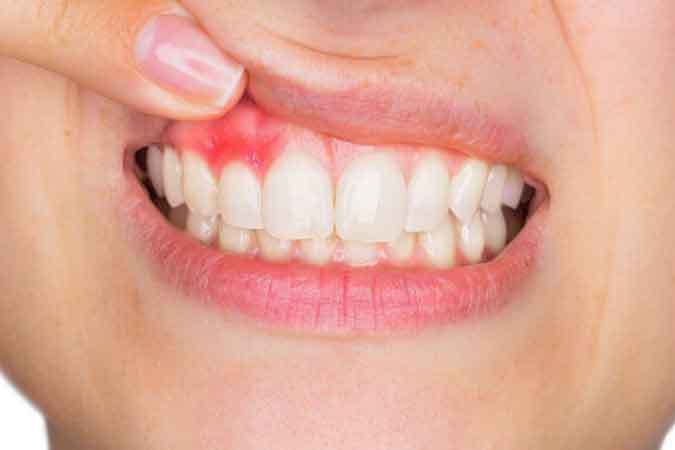
- Gum irritation (10-20% of patients). Whitish or red patches on gums where gel touched tissue. Lasts 24-48 hours. Custom trays minimize this significantly.
- Slight rebound darkening at 24-48 hours. Teeth often look slightly darker the day after Zoom than immediately after the procedure. This is normal as teeth rehydrate. Final color stabilizes within 2 weeks.
How to minimize sensitivity
Pre, during, and post-whitening protocol
- 2 weeks before: switch to Sensodyne or Pronamel toothpaste. Brush gently 2x daily.
- Day of whitening: eat a substantial meal beforehand. Coffee/cold drinks earlier are fine.
- Immediately after: we apply a desensitizing varnish (included in our Zoom protocol).
- First 24 hours post: avoid hot, cold, or sour foods. Room temperature water only. No coffee, wine, or smoking.
- Days 2-7: continue Sensodyne. Avoid acidic foods (citrus, soda). Ibuprofen 400 mg if needed.
- Long term: continue Sensodyne 2-3 days per week as maintenance.
When to call us
Schedule an appointment or call (718) 368-3368 if you experience:
- Severe sensitivity persisting more than 5 days
- Gum redness that doesn’t fade within 48 hours
- Pain in a specific tooth (not generalized sensitivity)
- Visible white patches on gums that look chemically burned
- Allergic-type reaction (rare but possible)
- Severe headache or jaw discomfort
These are not common but they’re worth evaluating same-day.
Long-term safety
Professional teeth whitening done occasionally is well-studied and safe. Concerns about overuse:
- Daily DIY whitening over years can erode enamel. Limit drugstore strips to 2-3 cycles per year.
- Whitening more often than every 6 months in-office isn’t recommended without dentist supervision.
- “Whitening for life” with weekly DIY treatments puts enamel at risk for transparency, sensitivity, and chip resistance.
Realistic professional protocol: 1 Zoom in-office every 1-3 years + take-home tray touch-ups every 3-6 months for maintenance.
Who should not whiten
- Pregnant or breastfeeding (limited safety data)
- Children under 14 (developing enamel)
- Patients with severe untreated decay or gum disease (treat first)
- Patients with significant gum recession exposing root surfaces (whitening won’t whiten roots)
- Patients with extensive front-tooth crowns/veneers (these don’t whiten, color mismatch will result)
- Patients with severe enamel hypoplasia or fluorosis (whitening can make it look worse)
Free consultation to determine if whitening is right for you: (718) 368-3368.
Frequently asked questions
Is whitening sensitivity permanent?
No. Whitening sensitivity is always temporary, typically resolving in 24-72 hours. If you had permanently sensitive teeth before whitening, that pre-existing condition continues — but whitening itself doesn’t cause lasting sensitivity.
Can I take painkillers during whitening?
Yes, ibuprofen 400 mg every 6 hours if needed during the protocol. Avoid aspirin (which can cause gum irritation). Acetaminophen is fine but less effective.
Will whitening damage my fillings?
No. But white fillings won’t lighten. After whitening, you may need to replace front-tooth fillings to match the new color.
What if my teeth are still sensitive a week later?
That’s unusual but not alarming. Call us — we can evaluate. Could be an existing tooth issue that whitening exposed (cavity, exposed dentin from recession).
How many times can I whiten safely?
Professional whitening once a year is well within safe limits. Some patients do it every 2-3 years. Touch-up trays every 3-6 months are also safe.
Schedule your consultation
Free consultation. Russian, Polish, Ukrainian spoken. 18 insurance plans accepted.
Related topics
Find a dentist by Brooklyn ZIP code
Eco Dental NY serves 8 southern Brooklyn ZIP codes. Click your ZIP for area-specific information.