

Tooth sensitivity after filling — what's normal vs when to call us
Mild sensitivity for 1-2 weeks after a filling is completely normal. Severe pain or sensitivity persisting beyond 2-3 weeks usually means something needs attention.
- ★★★★★ 4.8 from 90+ Google reviews
- NYU DDS
- 5 languages
- Mon-Fri 9am-7pm
What's normal sensitivity
Mild tooth sensitivity for 1-2 weeks after a filling is normal. Here’s what to expect:
- Sharp zinger to cold when drinking water or breathing through your mouth
- Mild ache when biting for the first few days
- Sensitivity to sweet foods
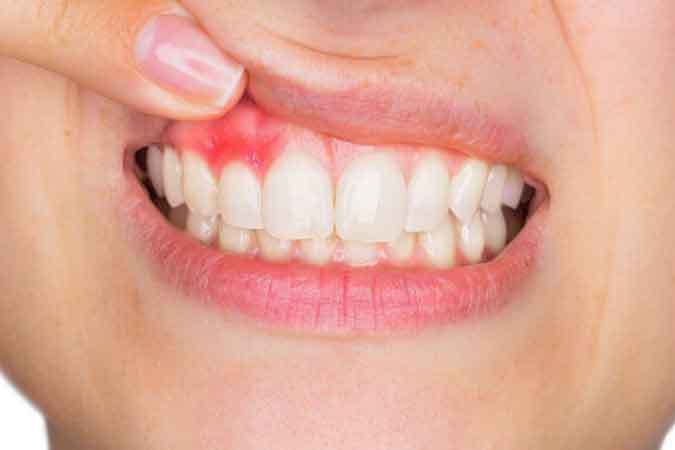
- Tenderness at the gum line near the filling
This happens because:
- The tooth was inflamed before the filling (from decay or old filling)
- The drilling itself causes brief nerve irritation
- The bonding process puts pressure on the tooth temporarily
- The bite needs to readjust to the new filling height
This sensitivity resolves on its own within 1-2 weeks for the vast majority of patients.
When to call us
Schedule an appointment or call (718) 368-3368 if you have:
- Sharp pain when biting that persists beyond 1 week — usually means the filling is sitting “high” on the bite, easy to adjust
- Severe lingering pain to cold (lasting more than 30 seconds after the cold source is gone) — possible nerve damage
- Spontaneous tooth pain (pain without a trigger) — possible nerve infection
- Pain that wakes you up at night — concerning, possible irreversible pulpitis
- Throbbing pain — possible abscess
- Fever, facial swelling, foul taste — likely infection, urgent
- Sensitivity worsening over time instead of improving over 2-3 weeks
Self-care for normal sensitivity
Manage mild post-filling sensitivity
- Sensodyne or Sensitive Pro Relief toothpaste: brush 2x daily. Within 3-7 days, sensitivity should decrease.
- Avoid extreme temperatures: skip ice water and hot drinks for 1-2 weeks.
- Soft foods on that side: don’t chew hard or sticky foods on the filled tooth for 1 week.
- Ibuprofen 400 mg every 6 hours if needed for discomfort. Don’t exceed 1,200 mg in 24 hours.
- Salt water rinses: half teaspoon salt in warm water, 2-3 times daily.
- Gentle brushing: soft-bristle brush, careful technique. Don’t avoid the tooth entirely.
- Avoid chemical irritants: limit acidic drinks (soda, citrus), alcohol-based mouthwashes.
Common reasons for prolonged sensitivity
1. Filling is “high”
The filling is taller than the surrounding tooth, so when you bite, all the force lands on it. Causes biting pain. Fix: 5-minute bite adjustment in our office, no anesthesia needed.
2. Filling was very deep
The deeper a filling, the closer to the nerve. Recovery takes longer. Usually resolves within 4-6 weeks. Fix: patience + Sensodyne; rarely needs additional treatment.
3. Cracked filling or filling pulling away
The filling has a tiny crack or wasn’t fully bonded. Bacteria get in. Fix: replace filling — same-day visit.
4. Nerve damage (irreversible pulpitis)
The decay was so deep, the nerve became permanently inflamed. Pain doesn’t go away. Fix: root canal treatment.
5. Cracked tooth syndrome
The tooth itself has a small crack — sometimes from biting on something hard before or during filling. Causes sharp pain when biting in specific ways. Fix: crown to protect from further fracture; sometimes root canal also needed.
When sensitivity means it's time for a different treatment
If sensitivity lasts more than 4-6 weeks or worsens:
- Bite adjustment: 5-minute fix if filling is high
- Filling replacement: if filling is failing
- Root canal: if nerve is irreversibly damaged
- Crown: if the tooth has cracked
Each option has different cost and complexity. Free re-evaluation included in our standard care.
Frequently asked questions
Why does my new filling hurt when I bite?
Usually means the filling is slightly too tall — your bite is concentrated on that tooth. 5-minute office visit fixes it. Most common reason for post-filling discomfort.
Should I take antibiotics for post-filling pain?
Usually no. Most post-filling sensitivity isn’t an infection. Ibuprofen + Sensodyne + bite adjustment if needed.
How long should I avoid eating after a filling?
Until anesthesia wears off (2-3 hours). Then eat on the other side for 24 hours. After that, gentle eating on the filled side.
Is white filling more sensitive than silver?
Slightly more right after placement, but resolves at the same rate. The bonding process is more involved with composite.
Can my filling become loose or fall out?
Rarely with proper bonding. If it happens, call (718) 368-3368 same-day. Re-bonding is usually quick.
Schedule your consultation
Free consultation. Russian, Polish, Ukrainian spoken. 18 insurance plans accepted.
Related topics
Find a dentist by Brooklyn ZIP code
Eco Dental NY serves 8 southern Brooklyn ZIP codes. Click your ZIP for area-specific information.