

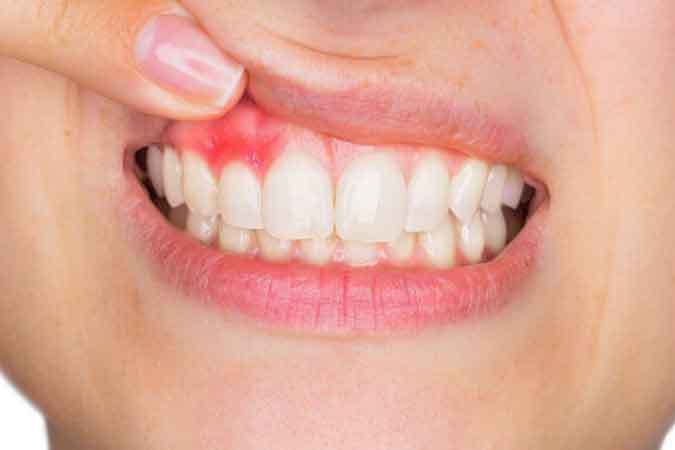
The decision between filling and crown comes down to one factor: how much healthy tooth is left. Below 50% remaining tooth structure, a crown is usually right. Above 75%, a filling is right. The 50-75% gray zone is where the decision gets nuanced. Here’s how Brooklyn dentist Dr. Natalia approaches the call.
The 50% Rule (The Honest Threshold)
- Less than 50% tooth structure remaining: Crown. The remaining walls cannot withstand chewing force long-term. A large filling will likely crack the tooth within 3-5 years.
- 50-75% remaining: Judgment call. Onlay (partial crown) often best. Full crown if there’s already a crack or weakened cusp. Large filling if patient is on a tight budget AND tooth has good bite alignment.
- Above 75% remaining: Filling is sufficient. Composite resin restores the cavity without weakening the tooth.
When a Filling Is the Right Call
- Small cavity (less than 1/3 of tooth surface)
- No crack visible in the tooth
- Tooth still has 3 of 4 walls intact
- No previous large filling in the same tooth
- Bite force on this tooth is moderate (front teeth, premolars)
- Patient has no grinding habit
Typical cost: $180-350 per filling. Lasts 7-12 years on average.
When a Crown Is the Right Call
- Cavity extends to or near the nerve
- Tooth has a visible crack
- Less than 50% of original tooth remains
- Previous large filling has failed
- Tooth received root canal therapy (root-canal teeth fracture easily without a crown)
- Cusp is broken or weakened
- Patient grinds heavily
- Back molar with heavy chewing load
Typical cost: $1,200-1,800. Lasts 15-25 years on average.
The Onlay — The Middle Option Most Dentists Skip
An onlay is a partial crown that covers only the damaged portion of the tooth (one or two cusps), preserving more healthy structure than a full crown. It’s the right choice for many 50-75% scenarios.
- Preserves 25-40% more tooth than a full crown
- Lasts 12-20 years — comparable to crown
- Costs $700-1,200 — between filling and full crown
- Insurance typically covers at 50% (same as crown coverage tier)
Modern dentists with CEREC technology (like Eco Dental NY) can make onlays same-day. Why aren’t onlays more common? They require more skill and equipment than a standard crown. Many practices simply default to a full crown.
Why Some Dentists Over-Prescribe Crowns
Honest discussion: some dentists default to crowns for any moderate-to-large cavity. Reasons:
- Higher fee structure — a crown is $1,200-1,800 vs. $300 for a filling. Provider revenue is significantly higher.
- Liability protection — a crown is harder to second-guess than a filling that might fail.
- Less skill required for placement — crowns hide the underlying tooth completely; a large filling needs precise contouring.
- Time efficiency — once prepped, crown placement is faster than a multi-surface filling.
This is not always wrong — sometimes the crown IS correct. But it’s worth asking your dentist: “What percentage of tooth is left? Would an onlay work? Why crown over filling?”
If the answer is well-reasoned, trust the recommendation. If it sounds vague, get a second opinion.
The Multi-Surface Filling Question
What about a large filling that covers 3-4 surfaces of a tooth (MOD = mesial-occlusal-distal)? Studies show:
- 2-surface filling: 90% intact at 10 years
- 3-surface filling: 70% intact at 10 years
- MOD filling on a back molar: 50% intact at 10 years; 30% chance of tooth fracture requiring crown or extraction
Translation: a very large filling is sometimes the correct short-term choice but carries higher long-term risk. An onlay or crown trades higher upfront cost for predictable longevity.
The Eco Dental NY Decision Process
When you come in with a tooth that needs work:
- Diagnostic imaging — periapical X-ray + bite-wing. Sometimes CBCT for complex cases.
- Visual + tactile examination — measure remaining tooth structure, check for cracks.
- Bite analysis — does this tooth take heavy load? Are there grinding signs?
- Discuss findings with you — show the X-ray, point out the issues.
- Present 2-3 options — usually filling, onlay, crown. Pros/cons of each. Cost of each.
- Let you decide. If budget is tight and risks are acceptable, a large filling is your right. If you want longevity, onlay or crown.
FAQ — Crown vs Filling Brooklyn
How do I know if my filling is too big?
If your filling covers more than 1/2 the chewing surface or 2+ cusps, it’s at risk for fracture. Ask your dentist to show you on the X-ray.
Can a large filling crack a tooth?
Yes. Fillings don’t reinforce teeth like crowns do. A large filling acts like a wedge under chewing pressure, and the surrounding tooth structure can fracture. About 30% of MOD fillings on back molars lead to tooth fracture within 10 years.
Is it cheaper to do filling now and crown later if needed?
Math: filling $300 + future crown $1,500 = $1,800 if filling fails. Vs. immediate crown $1,500. Filling-now path is cheaper IF the filling lasts 7+ years. Coin flip on whether it does.
How long do fillings vs crowns actually last?
Composite filling: 7-12 years average. Amalgam (silver) filling: 12-18 years. Porcelain-fused-to-metal crown: 15-25 years. All-ceramic CEREC crown: 12-18 years.
What if I can’t afford a crown right now?
A large filling is reasonable as a 3-5 year solution while you save for a crown. We document this is a “transitional” treatment and re-evaluate annually. CareCredit 0% financing also available.
Will insurance pay differently for crown vs filling?
Yes. Fillings are “basic” — typically 80% covered. Crowns are “major” — typically 50% covered with possible waiting period. Onlays are usually billed as major (50%). Your out-of-pocket may end up similar despite different treatment costs.
{“@context”:”https://schema.org”,”@type”:”FAQPage”,”mainEntity”:[{“@type”:”Question”,”name”:”Do I need a crown or a filling?”,”acceptedAnswer”:{“@type”:”Answer”,”text”:”Less than 50% tooth structure left = crown. Above 75% = filling. The 50-75% range is judgment — onlay often best. Crown is required for root-canal teeth and teeth with cracks.”}},{“@type”:”Question”,”name”:”What is a dental onlay and is it better than a crown?”,”acceptedAnswer”:{“@type”:”Answer”,”text”:”An onlay is a partial crown covering only the damaged portion of the tooth. Preserves 25-40% more healthy tooth structure than a full crown. Costs $700-1,200 (between filling and crown). Lasts 12-20 years.”}}]}
← Dental Crowns Brooklyn hub | Call (718) 368-3368 — get an honest second opinion