

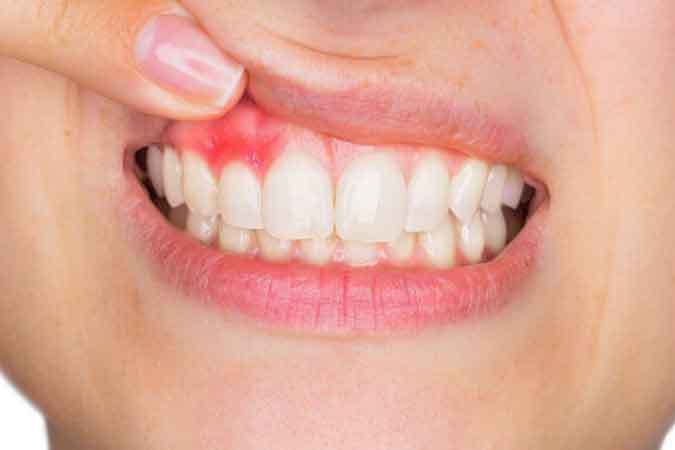
Root canal recovery is shorter than most patients fear. Most return to normal activity within 24-72 hours. Here’s exactly what to expect — hour 1, day 1, day 7, day 14 — from Brooklyn endodontist Dr. Natalia at Eco Dental NY.
Hour 0-4 — Numbness Wearing Off
- Pain level: 0/10 while numb (2-4 hours typical)
- What you feel: Numbness in face, lip, sometimes tongue. Slight pressure from temporary filling. Mild jaw fatigue from staying open during procedure.
- What to do: Eat soft, cool foods after numbness completely wears off (NOT before — you can bite your lip without knowing). Avoid the treated tooth side for chewing.
- Pain management: Take ibuprofen 600 mg 1 hour before numbness wears off. Repeat every 6 hours for 24-48 hours preventatively.
Hours 4-12 — First Real Sensation
- Pain level: 2-5/10 depending on pre-procedure inflammation
- What you feel: Tenderness when biting on the treated tooth. Mild dull ache. Some pressure sensitivity.
- What to do: Ibuprofen as scheduled. Cold compress on outside of jaw for 20 minutes at a time if swelling.
- Foods: Yogurt, applesauce, smoothies, scrambled eggs, oatmeal. Lukewarm — not hot or cold.
- Avoid: Chewing on treated side, alcohol (interferes with ibuprofen).
Day 1 — Most Patients Return to Work
- Pain level: 1-3/10 in morning, slightly higher with chewing
- What you feel: Tenderness when biting that tooth. Otherwise normal.
- What to do: Resume light work activity. Continue ibuprofen as needed. Brush gently around the temporary filling.
- Foods: Soft pasta, well-cooked chicken (cut small), soft vegetables, soup. Chew on opposite side.
- Sleep: Slight elevation of head on extra pillow reduces overnight throbbing.
Day 2-3 — Comfort Improving
- Pain level: 0-2/10 baseline, brief 3-4/10 spikes when biting hard on treated tooth
- What you feel: Tenderness fading. Treated tooth feels “different” but not painful.
- What to do: Reduce ibuprofen to as-needed. Resume normal activity.
- Foods: Most soft-to-medium foods. Still avoid hard, sticky, or very hot/cold.
- Important: If pain is WORSE on day 2-3 than day 1, call us — may indicate complication.
Day 4-7 — Near Normal
- Pain level: 0-1/10
- What you feel: Treated tooth feels stable. Mild awareness when chewing directly on it. No spontaneous pain.
- What to do: Resume all normal activity. Brush + floss normally. Avoid chewing hard food directly on treated tooth until crown is placed.
- Foods: Almost everything except very hard or sticky on treated side.
Week 2-4 — Crown Appointment
- Pain level: 0/10 baseline
- What you feel: Tooth feels normal except for temporary filling sensation. Slight chip risk if you bite something hard.
- What to do: Schedule crown placement (within 4-6 weeks of root canal). Continue to chew on opposite side.
- Foods: All normal foods except hard/sticky on treated tooth.
Long-Term (After Crown Placement)
- Pain level: 0/10 expected indefinitely
- What you feel: The tooth functions normally. No temperature sensitivity (no nerve). No pain.
- Long-term success rate: 90-95% at 10 years. Most root-canal teeth last decades.
Pain Management Schedule (First 48 Hours)
| Time | Medication | Notes |
|---|---|---|
| 1 hr before numbness wears off | Ibuprofen 600 mg | Take with small food/water |
| Every 6 hours, first 24-48 hrs | Ibuprofen 400-600 mg | Even if no pain — prevents flare |
| If severe pain breakthrough | Add acetaminophen 500 mg | Alternate with ibuprofen, not at same time |
| If allergic to ibuprofen | Acetaminophen 1000 mg every 6 hrs | Max 4000 mg/day; less effective for dental pain |
| Day 3+ onward | PRN (as needed) | Most patients don’t need pain meds after day 3 |
Note: Opioid pain medications (Vicodin, Percocet) are NOT typically needed for routine root canal recovery. If pain requires opioids, something else is wrong — call us.
Warning Signs — Call Us
Schedule same-day follow-up if:
- Pain INCREASES significantly on day 2 or later (not just biting pressure — spontaneous pain)
- Swelling of face, gum, or under jaw that’s growing
- Fever above 101°F
- Pus discharge or foul taste in mouth
- Temporary filling falls out
- Severe pain that doesn’t respond to ibuprofen 600 mg
- Numbness or tingling that persists more than 24 hours
Call (718) 368-3368) Mon-Fri 9-7. We have same-day slots for post-root-canal follow-up.
Activity Restrictions
- Day 1: No strenuous exercise. Light walking OK. No swimming.
- Day 2-3: Light exercise resumed. No high-impact (running, basketball).
- Day 4+: All normal activity.
- Always until crown placement: Don’t chew hard, sticky, or crunchy foods on the treated tooth. The temporary filling can fail under pressure.
Why Some People Have Longer Recovery
- Pre-procedure infection — if there was a abscess, recovery takes 5-10 days instead of 2-3.
- Complex anatomy — molar with 4-5 canals takes longer to recover than single-canal premolar.
- Multiple sessions — if root canal required 2 visits (medication time between), recovery counted from 2nd visit.
- Patient factors — smokers, diabetics, those on immunosuppressants heal slower.
FAQ — Root Canal Recovery Brooklyn
How long until I can chew normally on the treated tooth?
After permanent crown placement (typically 4-6 weeks after root canal). Until then, chew on opposite side to prevent fracturing the brittle root-canal’d tooth or losing the temporary filling.
Why does my tooth feel sore when I bite?
Normal for 3-7 days. The ligament around the tooth was inflamed before treatment and is healing. Resolves with time. If lasts more than 14 days, call us.
Can I exercise after a root canal?
Light exercise day 1, normal activity day 2-3. High-impact (running) day 4+. Avoid heavy weightlifting on day 1 (increased blood pressure can worsen swelling).
Is it normal to have bad breath after root canal?
Mild metallic taste for 24 hours from dental materials is normal. Persistent bad breath or pus taste suggests infection — call us.
How long until I should see my regular dentist for a check-up?
2-week post-op check (free with us), then crown appointment, then 6-month routine cleaning. If root canal was done by us, follow-ups are coordinated.
What if I’m pregnant and just had a root canal?
Standard ibuprofen is generally avoided in 3rd trimester. Use acetaminophen 1000 mg every 6 hours, max 4000 mg/day. Severe pain — call your OB and us. Local anesthesia and root canal are safe in pregnancy when needed.
{“@context”:”https://schema.org”,”@type”:”FAQPage”,”mainEntity”:[{“@type”:”Question”,”name”:”How long is root canal recovery?”,”acceptedAnswer”:{“@type”:”Answer”,”text”:”24-72 hours for most patients to return to normal activity. Mild tenderness when biting on the treated tooth lasts 5-7 days. Full healing to baseline takes 2-3 weeks.”}},{“@type”:”Question”,”name”:”What painkillers work best for root canal recovery?”,”acceptedAnswer”:{“@type”:”Answer”,”text”:”Ibuprofen 400-600 mg every 6 hours for the first 24-48 hours, taken preventatively (not just when pain appears). Opioid pain medication is not typically needed for routine root canal recovery.”}}]}
← Root Canals Brooklyn hub | Call (718) 368-3368 — post-op questions answered