

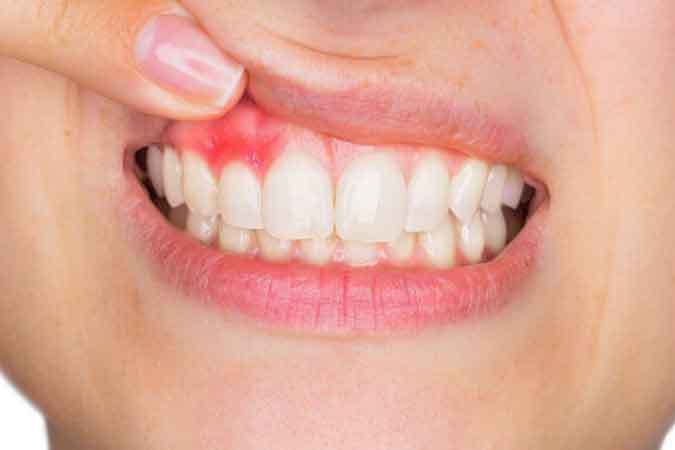
A throbbing molar at the Vatican. A cracked filling on day three of a Caribbean cruise. A dental abscess in a country where you don’t speak the language. Every summer, our Sheepshead Bay practice handles a steady stream of “I should have come in before my trip” visits — and this is the guide that helps you avoid being one of them.
Why a pre-travel dental checkup is worth the hour
If you’re planning a 2+ week trip this summer 2026 — to Italy, Spain, Greece, Russia, Ukraine, Florida, or the Caribbean — the single best hour you can spend before you leave is a comprehensive dental exam. It is the cheapest insurance policy on your itinerary.
Here is the math. A routine composite filling at our practice runs $195–$265. The same filling at a tourist-area clinic in Rome, Barcelona, or Cancún typically lands between $350 and $700, plus a language barrier and the loss of a half-day of vacation. An emergency root canal abroad can run $800 to $3,500. The U.S. CDC’s oral health program and the State Department’s overseas medical guidance both list dental complaints among the top reasons American travelers seek unplanned medical care abroad.
The cost isn’t only money. A 4-day dental flare-up on a 14-day trip is nearly a third of your vacation gone. Most standard U.S. dental insurance does not cover out-of-country emergencies at all. Travel medical insurance sometimes includes a small dental rider (often capped at $500–$1,000 for “pain relief”), but it almost never covers definitive treatment. The surest fix is to leave Brooklyn with a clean bill of dental health.
The 6-week pre-travel dental timeline
The single biggest mistake travelers make is calling us four days before their flight. Some things — crown lab work, healing after an extraction, settling of a new filling — simply cannot be rushed. Here’s the countdown we recommend for any trip of two weeks or longer, and especially for international travel.
6 weeks before: the “find problems” visit
Book a comprehensive exam plus professional cleaning at our Sheepshead Bay office. Bring up every nagging detail — cold sensitivity, an occasional twinge, a crown that feels off, gum that bleeds when you floss. Six weeks gives Dr. Natalia (NYU College of Dentistry, practicing in Brooklyn since 2018) time to catch problems and fix them on a non-rushed schedule. New X-rays at this visit also give us baseline images we can email to you for your travel kit.
5 weeks before: address findings
Whatever the exam found — fill it, replace it, treat it. Small cavities become big cavities under flight pressure; failing fillings fail at the worst possible moment. A failing crown margin is a ticking clock. Periodontal issues get a deep cleaning if needed.
4 weeks before: major work
If you need a root canal, an extraction, or crown prep, four weeks is your latest reasonable window. Crowns take 2–3 weeks of lab time. Extractions need 7–14 days of soft-tissue healing. For anxious patients, this is when we discuss in-office sedation options.
3 weeks before: crown delivery and prescriptions
If you had a crown started at week 4, this is when we seat it. We also write any prescription you may need — a backup antibiotic course if you have a history of dental infections — and give you a printed copy. A printed prescription with the generic drug name in English is gold for a pharmacy refill abroad.
2 weeks before: cleaning, polish, optional cosmetic
A final cleaning gives you a fresh, smooth-surface start. If you’ve been waiting to whiten before vacation photos, two weeks is the sweet spot for in-office whitening at our Brooklyn practice. This is also the week to assemble your travel dental kit.
1 week before: final check
If anything feels off — a new sensitivity, a sore spot, a tongue ulcer that isn’t healing — call us. There’s still time for a quick, non-emergency fix.
3–7 days before: don’t start anything new
Not the week for a fresh whitening protocol or an experimental flossing tool. Eat normally, avoid chewing ice or popcorn kernels, and lay off acidic foods (citrus, soda, wine) that can trigger sensitivity. The goal is to land at the airport with the most boring, predictable mouth possible.
12 things to check before you fly
Run through this list yourself — and then let us confirm it during your pre-travel exam. These are the issues we see go wrong on trips, ranked roughly by how often they cause an “emergency abroad” call.
- Any unfilled cavities. Cabin pressure changes during flight can cause trapped gas in untreated decay to expand, producing sudden, sharp pain mid-flight. High-altitude destinations (Cusco, Bogotá, Denver, Aspen, the Alps) intensify the same effect.
- Loose or cracked fillings. A filling that is “okay for now” at home is the filling that fails on day two of a beach vacation. Replace before you fly.
- Old crowns with dark margins. A visible dark line at the edge of a crown often means decay underneath. If we see it on X-ray, we’d rather replace it on our schedule than have you replace it in a clinic in a country you don’t know.
- Wisdom teeth status. Partially erupted wisdom teeth are responsible for a disproportionate number of “I’m in Rome and my jaw is swelling” phone calls. If they’ve flared up before, evaluate now.
- Gum bleeding when flossing. Bleeding gums signal active gingivitis or early periodontitis. A pre-trip cleaning plus a refined home routine usually resolves it. If it’s more advanced, we plan targeted gum treatment before you go.
- Sensitive teeth. Start a desensitizing toothpaste (potassium nitrate or stannous fluoride) 4–6 weeks before your trip — these need consistent use to work. Don’t wait until the plane.
- Night guard. If you grind, pack it. Stress, time-zone changes, and unfamiliar pillows reliably increase grinding. If you’ve been meaning to get one, see our custom night guard page — turnaround is about two weeks.
- Invisalign trays. Pack every remaining set plus your case and chewies. If you’ll be away longer than your remaining trays cover, we’ll plan ahead — see our Invisalign program.
- Dentures. Pack adhesive, cleaner, a soft brush, and a labeled container. Hotel housekeeping throws out cups containing dentures more often than you’d guess. If yours need a reline before travel, schedule it now.
- Implants. Carry your implant manufacturer card or, at minimum, a note with the system name and lot number. If a crown over an implant ever comes loose abroad, a clinician knowing the abutment type matters.
- Antibiotic and anesthetic history. Print a card listing any drug allergies, prior reactions, and chronic medications. Hand it to any clinician you see abroad.
- Recent dental X-rays. Ask us to email digital copies (bitewings plus a panoramic if available). Saved on your phone, they’re priceless if a foreign ER or dentist needs to make a fast call.
Your travel dental kit: 17 items that fit in a Ziploc
Drop the following into a quart-sized clear bag and stash it in your carry-on. Total cost: about $25 if you don’t already own the basics. Total weight: roughly 10 ounces. Payoff: almost any minor dental problem becomes a manageable inconvenience instead of a vacation-ending crisis.
- Soft-bristled toothbrush and travel case
- Travel toothpaste, 3.4 oz / 100 ml or smaller (carry-on rules)
- Travel floss or floss picks
- Interdental brushes if you use them
- Travel-size alcohol-free mouthwash
- Sensodyne, Pronamel, or another desensitizing toothpaste (if sensitivity is on your radar)
- Temporary filling material (drugstore brands include Dentemp and Refilit — about $7 — and reseat a lost crown or fill a hole long enough to get home)
- Small bottle of clove oil (eugenol) — natural numbing agent for short-term tooth pain
- 5–6 sterile gauze pads, individually wrapped
- Travel-sized ibuprofen and acetaminophen (alternating is more effective than maxing either alone)
- Custom night guard, if you wear one
- Spare retainer in a labeled case (lifesaver if the primary one is left in a Greek hotel room)
- Printed medication list with generic drug names and dosages
- Printed card with our phone number — Eco Dental NY, (718) 368-3368, plus our email — for quick reference
- Photo of your most recent dental X-ray saved on your phone (we email these on request)
- Travel insurance policy number and dental claims phone number (Allianz, World Nomads, AAA, GeoBlue, and many credit card travel benefits include limited emergency dental)
- Small mirror — useful for self-examining the back of your mouth when something feels wrong
What to do if dental pain strikes abroad
Even with perfect preparation, things happen. Here is the four-step protocol we give every patient before a long trip.
Step 1: use the kit
Most dental pain that starts overnight is manageable for 12–24 hours. Take ibuprofen 400–600 mg every 6 hours (if you tolerate it) alternating with acetaminophen 500–650 mg every 4–6 hours. Cold compress on the outside of the cheek for 20-minute intervals. Warm salt-water rinses (one teaspoon salt in a cup of warm water) every couple of hours. If a filling has come out and the tooth is sensitive, clean the area gently and pack temporary filling material into the cavity.
Step 2: call us
(718) 368-3368, Monday through Friday, 9 a.m. to 7 p.m. Eastern. We field these calls all summer. With a clear photo of the area (use your phone flashlight and ask a travel companion to take it) and a brief description, we can usually tell you whether it can wait until you fly home, what dosing to follow, and whether you need an antibiotic. For many countries we can call or fax a prescription to a local pharmacy; rules vary, but it’s worth asking.
Step 3: in-person care, by region
Western and Southern Europe (Italy, Spain, France, Greece, Portugal, Germany). Generally excellent. Private clinics in major cities are easy to find via Google reviews. Expect $200–$600 for an emergency consultation plus simple treatment. English is widely spoken in tourist-area clinics; receipts are detailed enough for U.S. insurance reimbursement.
Russia, Ukraine, Belarus, Kazakhstan. Major-city private clinics (Moscow, Kyiv, Odesa, Almaty, Minsk) are often very good — many of our Russian-speaking Brooklyn patients have family members who use them routinely. Expect $80–$250 for equivalent emergency work. Quality varies by clinic; ask hotel concierge or a local relative. Our office speaks Russian, Ukrainian, and Polish and is happy to interpret a treatment plan over the phone.
Latin America and Caribbean cruise stops. Quality varies sharply. In Mexico City, San José (Costa Rica), Bogotá, and Cancún proper, well-reviewed private clinics handle tourists daily. In smaller cruise-port towns, default to a hospital outpatient clinic rather than a walk-in dental shop.
Asia (Thailand, Vietnam, Korea, Japan, Singapore). Bangkok and Seoul are world-class — Bangkok is a major dental tourism destination because of quality and price. Tokyo and Singapore are excellent but expensive. In rural areas, default to hospital ER for triage and antibiotics; save definitive work for a major city or for when you’re home.
Anywhere else. Any hospital emergency department can prescribe antibiotics and pain medication. That alone buys you time to decide whether to do dental work locally or fly home — see our emergency dentist information for what we do same-day on return.
Step 4: paperwork
Save every receipt. Ask for an itemized invoice in English if at all possible (many clinics in tourist areas provide this automatically). Photograph the receipt before you leave the clinic in case the paper copy gets lost. Submit to your travel insurance promptly — most policies have a 60- or 90-day filing window.
Water, food, and your teeth abroad
Two small things travelers underestimate. First: in countries where tap water is not potable (parts of Mexico, Egypt, India, much of Southeast Asia), brush with bottled water. The amount swallowed during brushing is small but not zero. Second: bottled water in many countries is not fluoridated, and long trips on bottled water alone can subtly raise decay risk. Compensate with twice-daily fluoride toothpaste and, if you’re cavity-prone, ask us about a prescription-strength fluoride rinse.
A less obvious one: ice. In restaurants in non-potable-water countries, ice is sometimes filtered, sometimes not. If a server can’t confirm, skip it. Sticky travel snacks (dried mango, fig rolls, halva, dulce de leche) cling to teeth for hours; floss more, not less, on the road.
Four real vacation scenarios we’ve seen
Scenario 1: Two weeks in Sicily, with a “slight cold sensitivity”
A patient in her early 40s flew to Palermo with a molar that had been mildly cold-sensitive for a month. On day five, biting into a granita produced sharp pain. She paid €380 at a tourist-clinic for a temporary filling that lasted exactly until JFK. We replaced it the day after she returned for $215. Seeing us six weeks earlier would have cost the same $215 plus zero vacation interruption.
Scenario 2: Two months in Odesa visiting family
A Russian-speaking patient in his mid-50s was going back to Ukraine for an extended stay. He came in 7 weeks before departure. We did a comprehensive exam, two small fillings, a cleaning, and a new night guard. He brought a copy of his X-rays and a printed medication list. He had zero issues the entire trip. (Our practice is adults-only; family members traveling with him saw their own dentists for any kid-specific concerns.)
Scenario 3: Seven-day Bermuda cruise with new wisdom-tooth pain
A patient called us on a Friday with sharp wisdom-tooth pain; her cruise left Saturday. We saw her that afternoon, diagnosed pericoronitis around a partially erupted lower wisdom tooth, prescribed antibiotics, and irrigated the area. She chose to stabilize rather than extract before sailing. No flare-up on the cruise; we extracted on her return.
Scenario 4: Three-week Spain and Portugal trip mid-Invisalign
A patient in his early 30s was on tray 14 of a 28-tray plan, with a 21-day trip planned. We sequenced his next 5 trays, gave him written changeover dates, and timed the trip so no tray changes fell during a multi-day hike in the Picos de Europa. He swapped trays in San Sebastián, Lisbon, and Porto and stayed on schedule. His Invisalign treatment finished on time.
The recovery visit: come see us within two weeks of getting home
A short post-trip check-in pays off in three situations. First, if you had any dental work abroad — we want to evaluate the work itself, document it photographically for any insurance reimbursement claim, and verify margins, occlusion, and the bonding. Second, if you took a course of antibiotics — we update your record so future prescribing avoids resistance issues. Third, if you experienced any pain that resolved on its own — we want to confirm the underlying cause and rule out a slow-burning infection.
Even if nothing went wrong, a post-travel cleaning is a smart reset. Travel routines slip — different toothbrushes, different time zones, different snack patterns. A cleaning at our Sheepshead Bay office removes the inevitable bit of extra plaque. If you’d like to combine the recovery visit with a coverage review, our 2026 Brooklyn dental insurance guide walks through how reimbursement on out-of-country work typically plays out.
When to schedule your pre-travel consultation at Eco Dental NY
Trip 6+ weeks away — book a comprehensive exam now; we’ll handle the full timeline above. 2–6 weeks away — book this week; we can still complete most fixes. Less than 2 weeks — call us anyway. There is almost always something useful we can do (a cleaning, a recheck of a nagging spot, a written prescription, a custom travel-kit list, X-rays for your phone). Our practice has cared for Brooklyn travelers since 2018, in five languages.
Frequently Asked Questions
How early should I schedule my pre-travel dental visit?
Six weeks before departure is ideal for any trip of two weeks or longer. That window allows time for a comprehensive exam, any restorative work the exam uncovers, and lab fabrication of crowns or night guards. For trips under a week, three to four weeks of lead time is usually enough.
Can I get a backup antibiotic prescription before I leave?
Sometimes, yes. For patients with a history of dental infections or frequent travel to remote areas, we may write a single backup course of antibiotics with written instructions on when to use it. This is decided case-by-case, not by default. We do not write narcotic prescriptions for travel.
What if my flight is in three days and I have tooth pain right now?
Call us today at (718) 368-3368. We routinely fit in pre-travel emergencies. The same-day plan might be a filling, a temporary crown, drainage plus antibiotics, or a discussion about postponing. See our severe tooth pain emergency page for what same-day treatment typically involves.
Are X-rays and receipts from abroad acceptable for U.S. insurance reimbursement?
Usually, yes — if you get an itemized invoice in English (or a certified translation) with procedure codes, the dentist’s name and license number, and the clinic address. Photograph receipts the day they’re issued. Submit within your insurer’s filing window, typically 60–90 days.
Can I get Invisalign trays shipped to me abroad?
Generally not recommended. International shipping of medical devices crosses customs rules, and trays can be held, lost, or returned. The right approach is to plan tray sequencing before you leave — we give you all the trays you need plus a written changeover schedule.
Is dental tourism (Mexico, Costa Rica, Hungary, Turkey) worth it for major work?
For complex elective work — full-mouth implants, multiple veneers, full smile makeovers — dental tourism can produce good results at lower cost when patients use highly reviewed, board-certified clinics with English-speaking staff. The trade-offs: limited follow-up if something fails six months later, and difficulty pursuing recourse. Best for healthy patients getting routine elective work, not for medically complex cases.
What if I need an antibiotic in a country where I don’t speak the language?
Carry a printed card with your medication list and allergies in English plus, ideally, the local language. Hospital emergency departments will see you regardless of language. You can also call our office — we speak English, Russian, Polish, Ukrainian, and Uzbek, and can often help interpret a pharmacy interaction with a quick three-way call.
Book Your Visit to Eco Dental NY
Planning a 2+ week trip this summer 2026? Book a pre-travel consultation with Dr. Natalia Blazhkevich, DDS — sole provider, 5 languages spoken (English, Russian, Polish, Ukrainian, Uzbek). 2384 Ocean Avenue, STE 1, Brooklyn, NY 11229. Call (718) 368-3368 or request an appointment online. Mon–Fri 9 am – 7 pm.